As one of the most widely used packaging products in the world, glass bottles serve industries ranging from food and beverages to pharmaceuticals and nutraceuticals. For users, the single most important consideration is safety. A defective bottle can compromise product purity, endanger consumer health, and damage a brand’s reputation beyond repair. Recognizing this responsibility, QLT Glass has dedicated decades to researching and improving the safety of every bottle we produce. Through accumulated experience and continuous innovation, we have identified several key factors that determine glass bottle safety—and we implement strict controls at every stage.
Factor 1: Raw Material Selection – The Foundation of Safety
The journey to a safe glass bottle begins long before the molding process. It starts with the choice of raw materials. At QLT Glass, we insist on using high-white soda-lime glass—commonly known as “high-white material”—for all products intended for food and pharmaceutical packaging.
Why does this matter? Compared to ordinary white glass or recycled glass mixtures, soda-lime glass offers superior chemical stability. It resists leaching, meaning no harmful ions migrate into the contents over time. It also withstands thermal shock better, reducing the risk of breakage during filling or sterilization. Furthermore, high-white glass provides excellent clarity, allowing users to inspect the product visually without opening the bottle.
We strictly follow the quality standards set by China’s Food and Drug Administration (CFDA) and relevant international regulatory bodies. Every batch of raw material is tested for composition consistency before entering production. This commitment to material purity is the first line of defense against contamination.
actor 2: Molding Process Control – Precision and Cleanliness
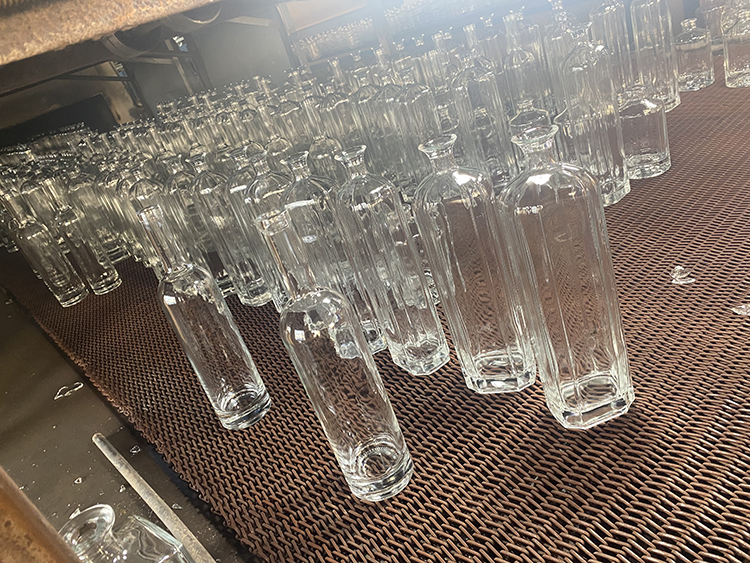
Glass bottle manufacturing generally falls into two categories: mold-made (machine-formed) and tube-made (controlled forming) . For most commercial applications, mold-made production is the preferred method due to its efficiency and dimensional accuracy. However, this process introduces its own set of safety challenges.
During mold forming, the glass comes into direct contact with metal molds and mechanical equipment. If these tools are not properly cleaned or maintained, contaminants—such as lubricants, metal residues, or dust—can transfer onto the bottle surface. Even microscopic amounts of hazardous substances can leach into the packaged product later.
At QLT Glass, we place extreme emphasis on equipment hygiene. All molds and machinery undergo regular cleaning cycles using food-grade detergents. We use stainless steel components wherever possible to minimize rust and abrasion risks. Additionally, our production environment is kept clean and temperature-controlled to prevent airborne particles from settling on freshly formed bottles. After forming, each bottle passes through an automated visual inspection system that detects surface defects, foreign particles, and dimensional anomalies.
Factor 3: Cap Quality – An Often Overlooked Safety Element
Many buyers focus exclusively on the glass bottle itself when evaluating safety, forgetting that the cap is equally critical. Imagine spending resources to ensure a flawless bottle, only to pair it with a low-quality cap that introduces toxic chemicals into the liquid. This scenario is not hypothetical—certain plastics, adhesives, or coatings used in cheap caps can leach harmful substances, especially when in prolonged contact with alcohol, oils, or acidic solutions.
QLT Glass applies the same rigorous standards to caps as we do to bottles. We source high-grade materials for our caps, including food-grade aluminum, stainless steel, and approved polymer liners. For aluminum caps, we use corrosion-resistant alloys with protective coatings. For plastic caps, we select virgin materials free from BPA, phthalates, and other endocrine disruptors. Every cap supplier is audited for compliance with FDA, EU, and Chinese national standards.
Furthermore, we test the sealing performance of every cap-bottle combination under simulated transport and storage conditions. A cap that looks good but fails to seal properly is a safety hazard—it allows moisture, oxygen, and microbes to enter. Our goal is zero leakage and zero contamination.
Factor 4: Continuous Improvement – Staying Ahead of Market Trends
Safety is not a static achievement; it is an ongoing pursuit. As market trends evolve—whether it is the rise of organic products, stricter environmental regulations, or new consumer preferences for lightweight packaging—QLT Glass adapts proactively.
We invest in research and development to explore new glass formulations, improved annealing processes, and smarter quality control technologies. For example, we have introduced infrared inspection systems that detect micro-cracks invisible to the human eye. We also collaborate with clients to customize bottle designs that reduce stress concentration points, thereby lowering breakage rates during filling and shipping.
Why QLT Glass?
For decades, Jiangsu QLT Glass Products Co., Ltd. has placed safety and health above all else. We understand that every bottle we ship carries not just a product, but a promise—to protect the consumer, preserve the contents, and uphold the brand’s reputation. From raw material sourcing to final packaging, we leave no room for compromise.
If you are looking for a glass bottle supplier who treats safety as seriously as you do, look no further. Contact QLT Glass today to discuss your packaging needs. Let us show you why generations of customers have trusted us to deliver bottles that are not only beautiful but truly safe.
Post time: May-17-2026